
Professional Mobile Car Detailing in Fort Worth
Pet Hair Removal in Fort Worth That Reaches Every Seam
- careful attention to detail
- Mobile service
- Serving Fort Worth and surrounding communities
- Professional
Serving Fort Worth and the surrounding communities. We come to you.
Signs Your Car Needs Professional Pet Hair Extraction
Most Fort Worth pet owners start with a handheld vacuum or a lint roller, and for light shedding that works fine. The trouble starts when hair stops sitting on top of the fabric and begins working its way into the weave itself. Run your hand across the carpet or seat fabric in different directions. If you feel a rough, almost sandpaper-like texture that does not smooth out, hair has already anchored itself into the fibers rather than resting on the surface.
- Hair appears woven into the carpet weave rather than sitting loosely on top, often visible as a fuzzy texture when you look closely at floor mats or cargo areas
- Seat seams and crevices along the backrest and cushion edges trap tufts of hair that a vacuum nozzle cannot reach
- A lint roller picks up surface hair but leaves a hazy residue behind after a few passes
- Rubbing the fabric with a damp cloth or rubber glove no longer lifts the hair, or it only shifts it to a different spot
- Hair reappears within days of vacuuming, suggesting the vacuum only removed loose surface hair, not the embedded layer underneath
Fort Worth's climate plays a bigger role in this problem than most drivers realize. According to National Weather Service climate normals, Tarrant County summers regularly bring high humidity paired with sustained temperatures above 95 degrees. Parked cars can reach interior temperatures well over 120 degrees during peak afternoon hours. That heat softens natural pet oils on the hair shaft, and combined with a dog or cat's sweat and skin secretions, it creates a sticky residue that glues hair to fabric fibers. In drier states, hair tends to sit more loosely on top of upholstery, but in North Texas the humidity keeps that oil residue tacky longer, giving hair more time to bond with the weave.
This is why a basic vacuum, even a powerful one, often falls short. Standard suction pulls at hair from directly above, but it cannot break the adhesive bond between oil-coated hair and carpet fibers, nor can it reach into the narrow gaps of a seat seam. Professional extraction relies on a combination of specialized rubber-tipped attachments, air compressors that dislodge embedded hair, and steam or enzyme treatments that break down the oily residue holding hair in place. That layered, tool-based approach is what finally separates hair from fabric instead of just skimming the surface.
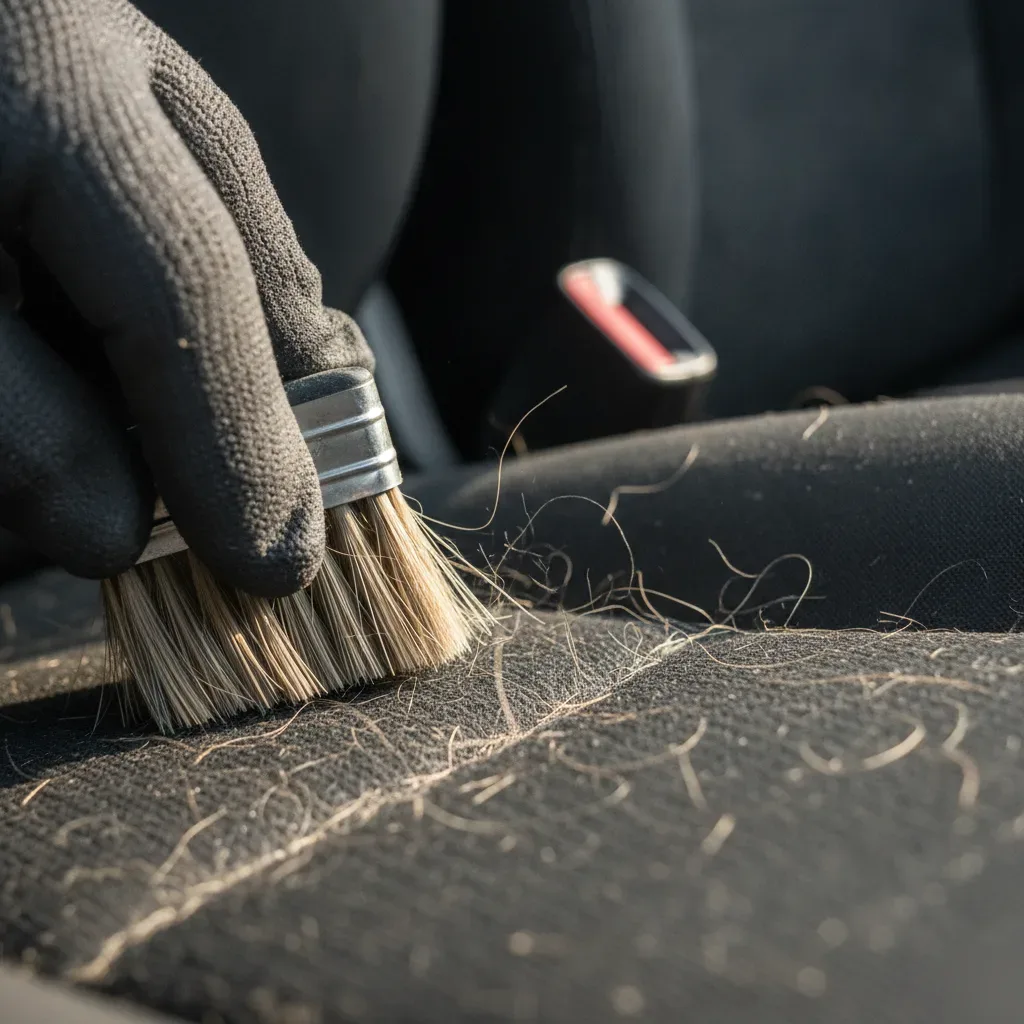
When a Quick Vacuum or Lint Roller Is Enough
Not every car with dog hair needs a pro. If your pup rode in the back seat once for a quick trip to the vet, a lint roller and a few minutes with a shop vac will probably handle it. Same goes for short-haired dogs who don't shed much, or if the hair is loose and sitting on top of the seat instead of buried down in the weave.
Here's a simple test. Run your hand across the seat. If the hair lifts right off, you're fine on your own. If it feels woven in, like it's part of the fabric now, that's a different story.
So when does it stop being a DIY job? Usually it's after months of regular rides, not one trip. Fort Worth summers get brutal, and heat baked into a parked car presses hair deeper into carpet and seat fibers. What looked manageable in April can turn stubborn by August.
We get calls all the time from folks who tried the roller, the vacuum, even a rubber glove trick they saw online. they got most of it, just not the hair packed into seams and vents. That's the honest line. If a home vacuum gets you 80 percent of the way there and you're satisfied, save your money and call it done.
But if you've vacuumed twice and hair is still visible from the driver's seat, that's usually the sign it's time to bring in help.
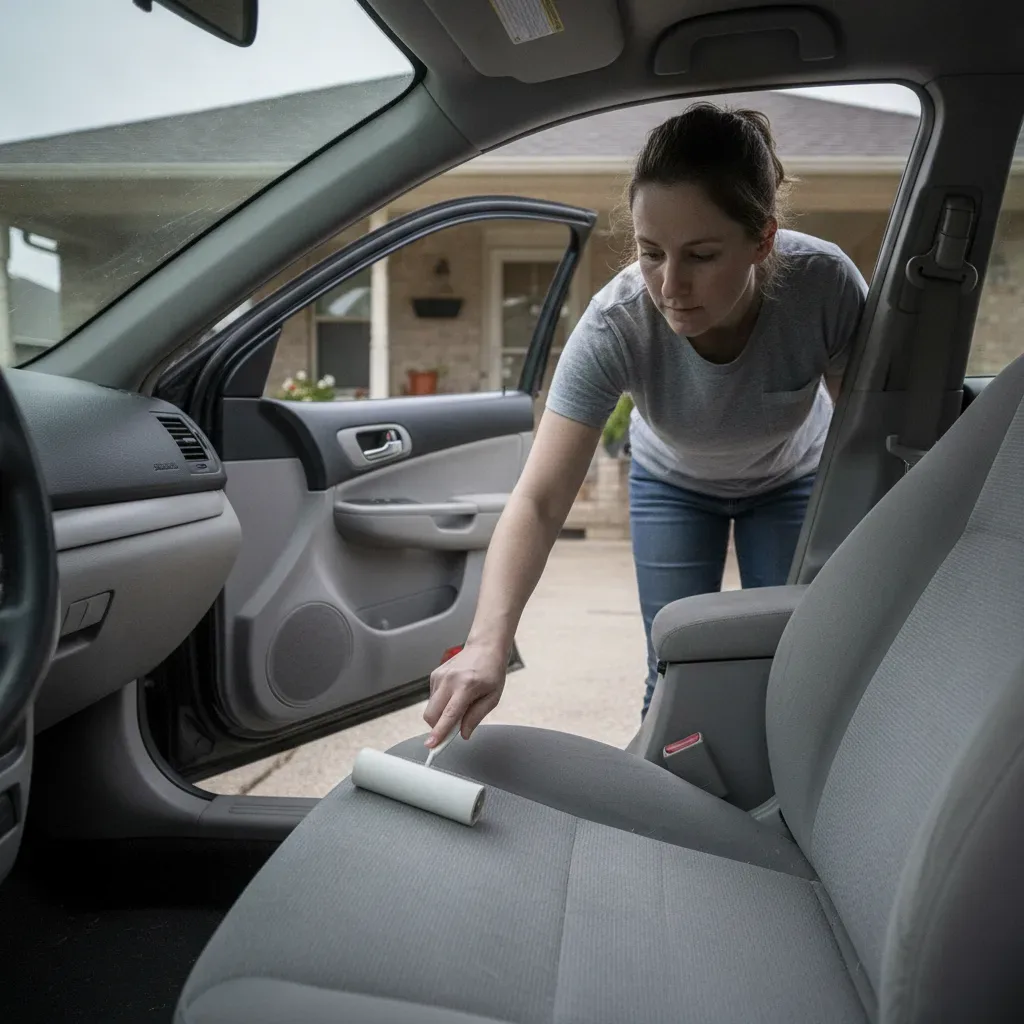
The Mobile Pet Hair Removal Process at Your Fort Worth Home
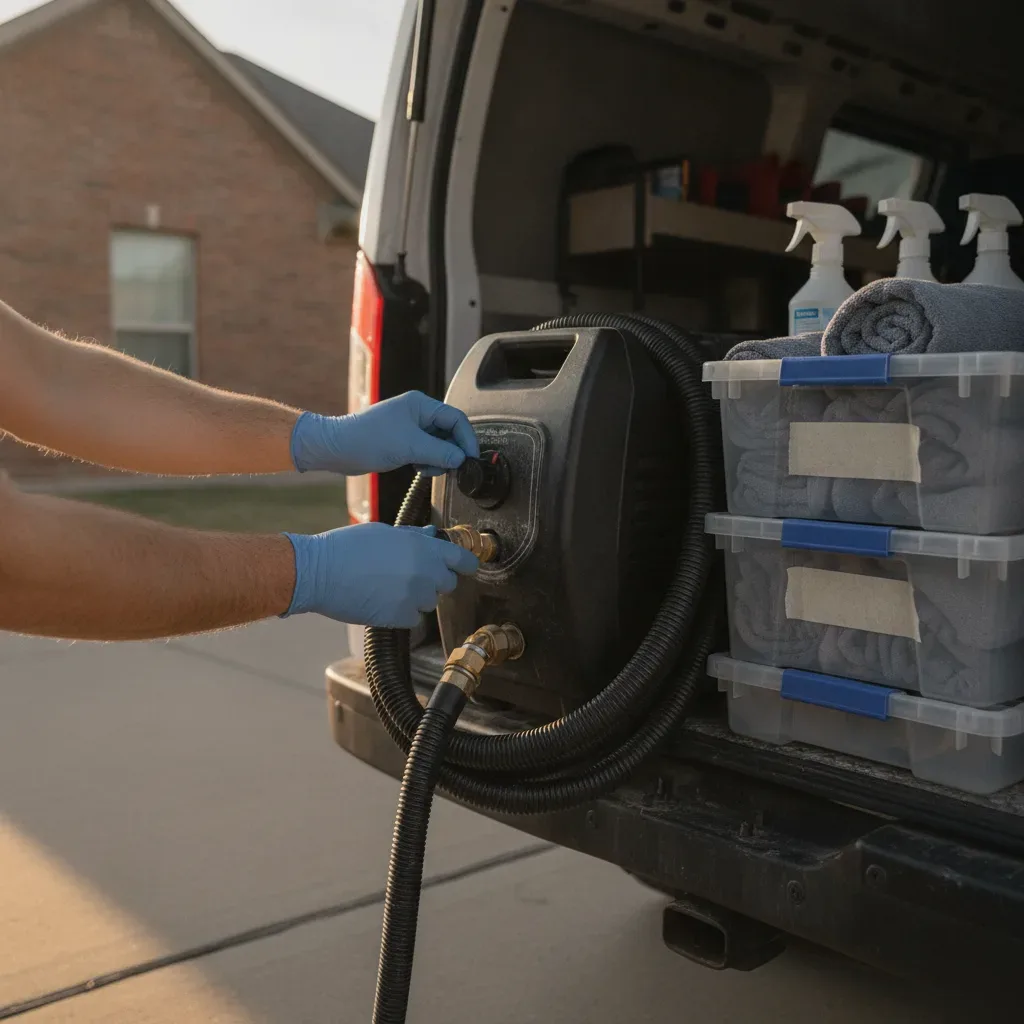
One of the biggest advantages of a mobile pet hair removal service in Fort Worth is that the work happens exactly where you are. Whether you live in a single-family home in Wedgwood, a townhouse near TCU, or you're parked at an office in the Stockyards or Downtown area, the technician brings the equipment to your driveway, garage, or lot. There is no need to schedule a drop-off, arrange alternate transportation, or lose a day waiting at a shop. This matters especially in Fort Worth, where the majority of housing stock consists of single-family homes with yards, meaning dogs and cats spend significant time outdoors and track loose fur, dander, and debris directly into vehicle interiors and onto upholstered furniture every time they hop in the car or curl up on the couch.
- Pre-inspection: The technician examines seats, carpet, floor mats, and crevices to identify the type and severity of pet hair buildup, plus any embedded stains or odor sources.
- Pre-vacuum: A high-powered vacuum pulls up loose surface hair and debris before deeper work begins, preventing hair from being pushed further into fabric fibers.
- Tool and brush loosening: Specialized rubber-tipped brushes, rakes, or motorized tools agitate fabric and carpet to lift hair that has woven itself into the weave.
- Steam treatment: Controlled steam relaxes fabric fibers and loosens stubborn hair, dander, and static bonds without soaking upholstery or leaving excess moisture.
- Final extraction: A second vacuum pass, often paired with a specialty pet hair attachment, removes the loosened hair and any residual moisture from the steam step.
- Spot-check and detail pass: The technician reviews seams, seat tracks, door pockets, and corners by hand to catch any hair the equipment may have missed.
This sequence exists because pet hair rarely responds to a single method. Vacuuming alone leaves behind fibers anchored by static and oils from an animal's coat, while steam alone can loosen hair but not fully lift it out of dense carpet or seat fabric. Combining loosening tools, heat, and multiple extraction passes addresses both the physical grip of the hair and the underlying residue that causes it to cling in the first place. For Fort Worth pet owners juggling ranch-style homes, long commutes, and pets that go from backyard to back seat multiple times a day, this thorough, on-site method delivers a noticeably cleaner result without adding another errand to the week.
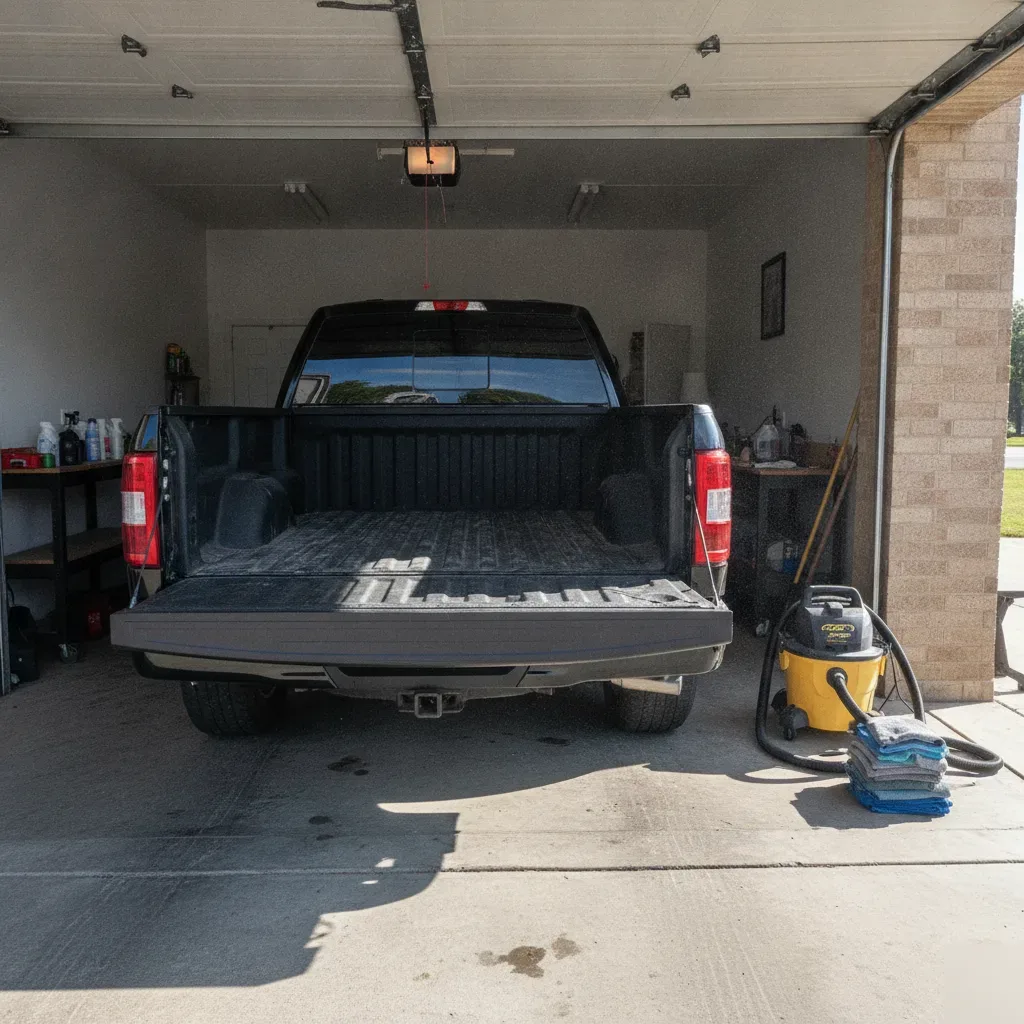
Call and describe the vehicle. We'll point you to the right service.
What to Expect Before and During Your Appointment
A standard interior detail assumes a reasonably clean cabin. Pet hair removal is different, and a good technician will treat it that way from the first walkaround. Expect a quick inspection of seats, carpets, trunk liner, and floor mats before work begins, since Texas heat and heavy shedding seasons can bake hair deep into fabric fibers. This inspection sets an honest time estimate instead of a one-size-fits-all quote.
Heavier buildup simply takes longer than a routine interior clean. A car with light shedding might be finished in under an hour, while a minivan covered in a winter coat of undercoat fur after months of park runs along the Trinity Trails could take considerably longer. This is not a stall tactic. Rubber-tipped tools, steam, and vacuum passes each need time to lift hair that has worked into seams, seat tracks, and carpet backing.
Because steam is often used to loosen stubborn hair from upholstery, the interior may feel slightly damp when the appointment wraps up. This is normal and typically dries within an hour or two with windows cracked, especially on a mild Fort Worth afternoon. It is a small tradeoff for hair that would otherwise resist a standard vacuum entirely.
- Some deep-seam or crevice hair may require a return pass on the same visit rather than repeated scrubbing that risks fabric damage
- Technicians usually work section by section: seats, then floors, then trunk, so nothing gets rushed
- Pet owners can expect a quick walkthrough at the end to confirm problem areas were addressed
- Mats and seat covers, if present, are typically treated separately from carpet and upholstery
Spring is when this buildup peaks across North Texas. As dogs and cats shed winter coats between March and May, vehicles that see daily pet transport can accumulate a season's worth of hair in just a few weeks. Booking ahead of that seasonal spike, rather than waiting until the cabin looks visibly furry, keeps appointments shorter and more predictable.
Setting these expectations upfront supports the promise behind mobile service: no guesswork, no hidden surprises, and no need to rearrange a whole day around a shop visit. The technician comes prepared for the actual condition of the vehicle, not just a generic checklist.
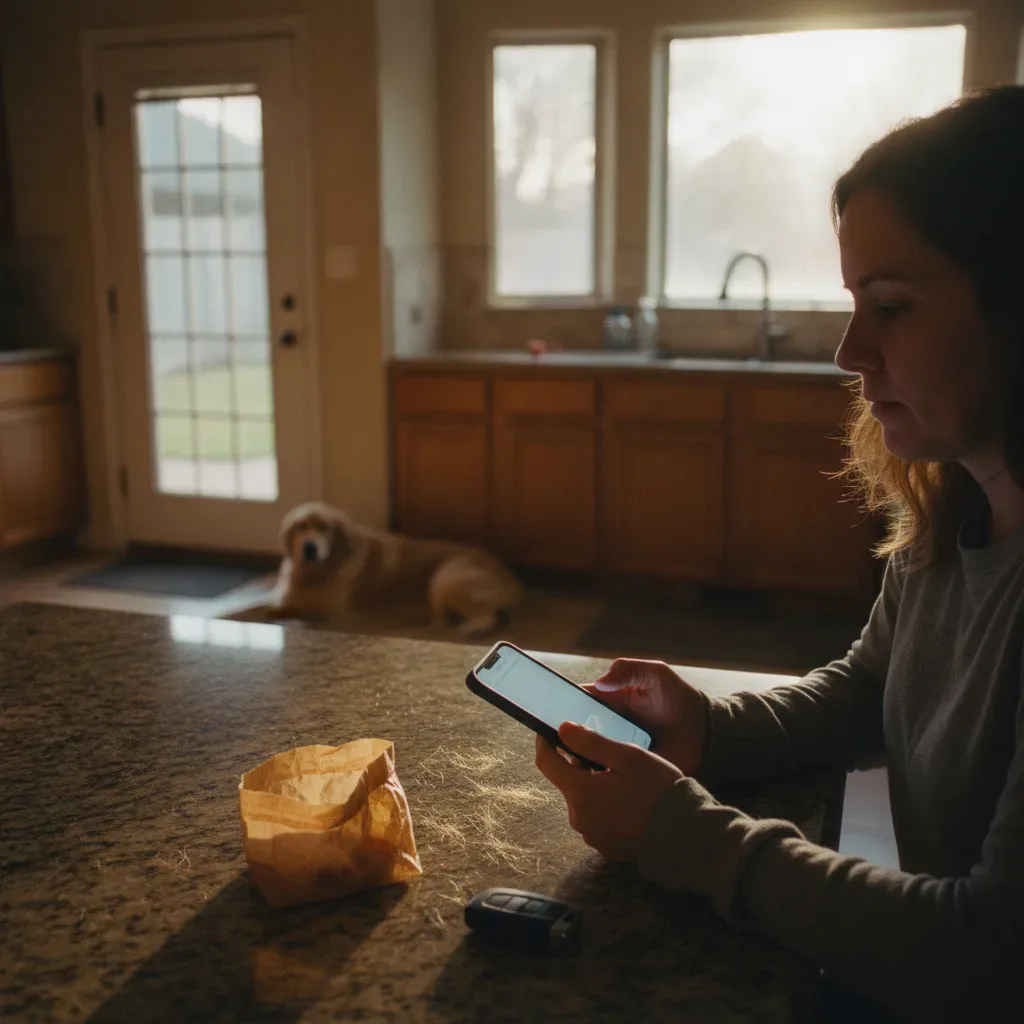
How Pricing Works for Pet Hair and Odor Removal
Pricing for pet hair removal isn't one-size-fits-all, and , it shouldn't be. A detailer looking at your car factors in a few real things before naming a number.
- How much hair is embedded versus loose on the surface
- Fabric type, since woven cloth traps hair deeper than leather or vinyl
- Whether odor removal is needed alongside the hair extraction
- How many seats and areas are affected, not just the front two
- Time since the last deep clean, older buildup takes longer to lift
Most shops and mobile detailers price by labor time, not by the pound of hair removed. That's because pulling hair out of carpet fibers is slow work. It's not vacuuming, it's extraction. A quick pass with a shop vac misses most of it, buried down where the fibers grip tight.
Odor removal often gets bundled in when pet hair is heavy, since the two usually show up together. If your dog rides along enough, dander and oils build into the seats, that smell doesn't come out with hair removal alone.
Before you book with anyone, ask what method they use on carpet versus upholstery. Ask if odor treatment is separate or included. And ask how they handle heavier shedding breeds - some vehicles need more passes, plain and simple.
We look at your vehicle first, then talk through what it needs. No guessing over the phone, no surprise add ons once we're standing there with the tools.
FAQ
Pet Hair Removal Questions from Fort Worth Drivers
How long does mobile pet hair removal take at my Fort Worth home?
Most jobs take about one to two hours, depending on how deep the hair has settled into your seats and carpet. A quick touch-up on light shedding goes faster. A car with months of buildup from regular trips to the dog park takes longer because of the steam and extraction steps. Since the service comes to your driveway or garage, you don't need to block off a whole day like you would at a shop. You can schedule around your normal routine instead.
What should I expect when the technician arrives at my house?
The technician starts with a walk-through of your seats, carpet, and floor mats to spot where hair is embedded. From there, they pre-vacuum loose hair, use rubber-tipped tools to lift what's woven into the fabric, apply steam to loosen stubborn spots, then finish with a second vacuum pass. They'll also hand-check seat seams and door pockets before wrapping up. You don't need to be present the whole time, but it helps to point out problem areas like the trunk or back seat first.
Why does pet hair seem so much harder to remove from cars in Fort Worth?
Fort Worth's hot, humid summers are the main reason. When temperatures climb past 95 degrees and a parked car heats up well over 120 degrees inside, pet oils and sweat soften and turn sticky. That residue glues hair to carpet fibers and seat seams instead of letting it sit loosely on top the way it might in a drier climate. This is why a vacuum that worked fine in spring often stops keeping up once summer heat sets in.
Will professional pet hair removal damage my car's upholstery or carpet?
No, the tools used are chosen specifically to protect your fabric while breaking the bond between hair and fibers. Rubber-tipped brushes and controlled steam loosen hair without soaking the material or leaving it damp for long. This is different from scrubbing at it yourself with a stiff brush, which can fray fibers over time. The steam step is measured carefully so it relaxes the fabric weave instead of over-wetting seats or carpet padding.
Can I just use a vacuum and lint roller instead of calling a pro?
Yes, if the hair is loose and sitting on top of the fabric rather than woven in. A quick shop vac and lint roller session works fine for one trip to the vet or light shedding. Run your hand across the seat, and if hair lifts right off, you're fine on your own. It's usually after months of regular rides, especially through a Fort Worth summer, that hair packs into seams and vents deep enough that home tools stop working.
How often should I book pet hair removal if my dog rides in the car often?
It depends on how much your pet sheds and how often they ride along, but many Fort Worth pet owners find every few months keeps buildup manageable. Dogs and cats that spend a lot of time outdoors, common with Fort Worth's single-family homes and yards, track in more loose fur and dander between visits. If you notice hair reappearing within days of vacuuming, that's a sign the embedded layer is building back up and it's time to schedule another visit.
More Services
Other Detailing Services in Fort Worth
- Auto Interior Vacuuming in Fort WorthView service
- Car Waxing in Fort WorthView service
- Clay Bar Treatment in Fort WorthView service
- Engine Detailing in Fort WorthView service
- Full Body Wash in Fort WorthView service
- Headlight Polishing in Fort WorthView service
- Seat Shampooing in Fort WorthView service
- Steam Cleaning in Fort WorthView service
- Wheel Washing in Fort WorthView service
READY TO BOOK?
Ready to Book Car Detailing in Fort Worth?
Tell us where the vehicle is and when it's available. We'll come to you.
East of Fort Worth? We also serve car detailing in Irving.
Prefer speaking with our team directly?
Calendar not loading? Open the booking page or call (469) 966-8750.