
Professional Mobile Car Detailing in Fort Worth
Engine Detailing in Fort Worth: A Cleaner Bay Without the DIY Risk
- careful attention to detail
- Mobile service
- Serving Fort Worth and surrounding communities
- Professional
Serving Fort Worth and the surrounding communities. We come to you.
Signs Your Engine Bay Needs Professional Attention
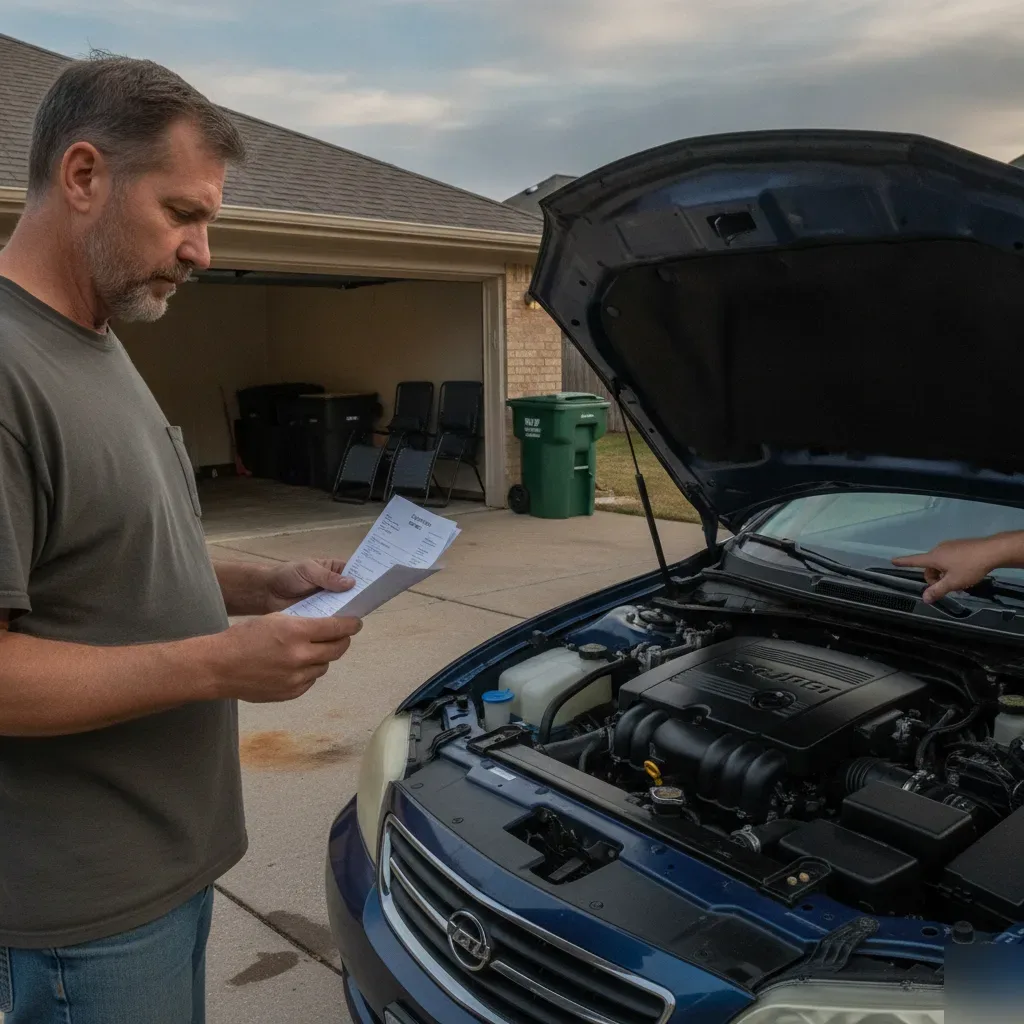
Pop the hood and take a real look. Dust, oil film, and dried leaves build up fast under there, and most folks never check until something looks off.
Here's what usually tells us an engine bay is overdue for a cleaning:
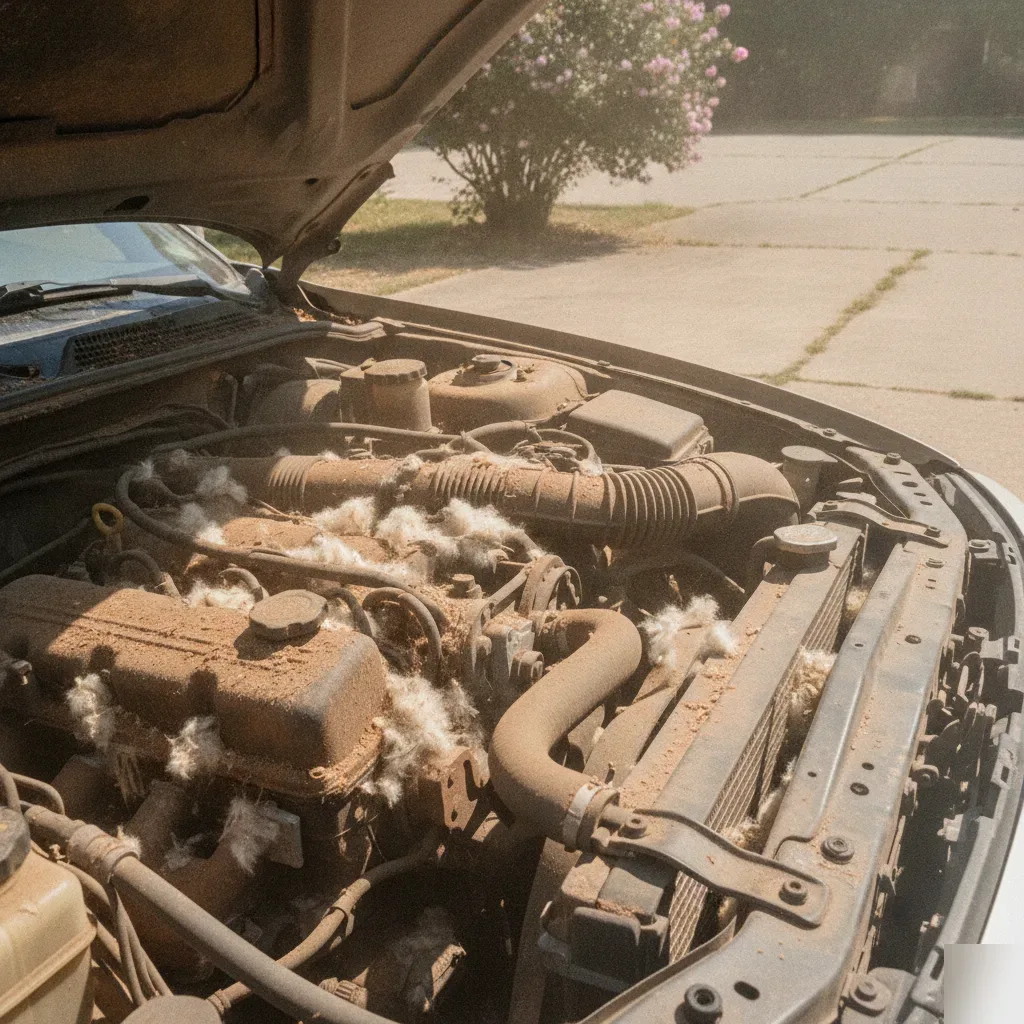
- Grease and oil residue coating hoses, belts, or the plastic engine cover
- Dust caked into every crevice, especially after a dry Fort Worth summer stretch when clay dust settles on everything under the hood
- Leaves, pollen, or twigs packed around the intake and firewall
- A musty or faint fuel smell when you first pop the hood
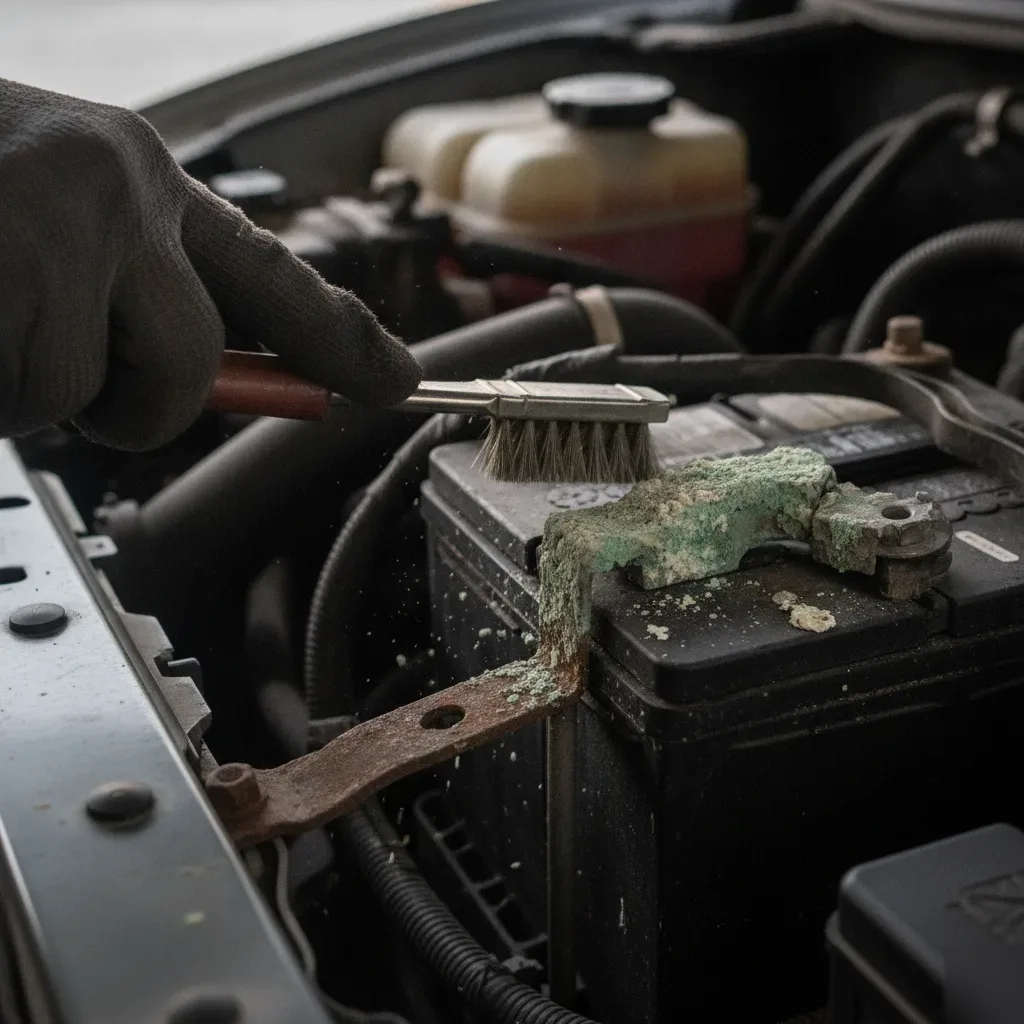
- White or greenish corrosion building up around the battery terminals
It's dust and old grease working together, forming that dull gray film across everything.
Wondering if a little dust really matters? It does, more than most people think. Cars that sit outside more than they sit in a garage need this the most. And in Fort Worth, where dry spells kick up fine dust that clings to anything with an oily surface, engine bays get dirty faster than owners expect.
We see it every fall, somebody pops the hood after the car sat for a couple weeks and finds a small nest tucked against the firewall. That's usually the moment they decide it's time to have things looked at properly.
When Engine Detailing Won't Fix the Real Problem
Fort Worth's dust, road grime from I-35 construction zones, and summer heat leave engine bays looking dull fast, and a good detail brings back that clean, presentable appearance. But detailing is strictly cosmetic work. It degreases surfaces, dresses plastic covers, and removes years of buildup around the block, hoses, and firewall. It does not open up the engine, replace parts, or diagnose anything happening internally. A detailer can make a tired engine bay look showroom fresh while the actual mechanical health underneath stays exactly the same, good or bad.
This distinction matters because some car owners book a detail hoping it will quiet a noise or stop a smell. It will not. If your vehicle is burning oil, knocking, throwing a dashboard warning light, or consuming oil faster than normal between changes, those are signs of internal wear, a failing gasket, or a lubrication problem. Only a qualified mechanic can diagnose and repair issues like that. Sending a mechanical problem to a detailer instead of a mechanic just delays the real fix and wastes money on a service that was never designed to address it.
- Blue or gray smoke from the exhaust, especially on startup
- Metallic knocking, ticking, or tapping sounds from the engine
- Check engine or oil pressure warning lights staying lit
- A burning oil smell noticeable inside the cabin
- Oil level dropping noticeably between scheduled changes
- Milky or foamy residue on the oil cap, suggesting coolant contamination
On the other end of the spectrum, not every dusty engine bay needs a professional at all. If what you're seeing is light surface dust on the plastic engine cover or fender liners, a dry microfiber cloth and a few minutes of your own time will usually handle it safely. Save the paid detail for genuine grease buildup, oil residue, or grime that's been baked on by Texas heat over months or years.
A shop that tells you upfront when detailing won't help, and points you toward a trusted mechanic instead, is the one worth calling. That honesty is exactly what should give you confidence to book a Fort Worth engine detail for the right reason: making a mechanically sound engine bay look as good as it runs.
What Happens During a Mobile Engine Detail
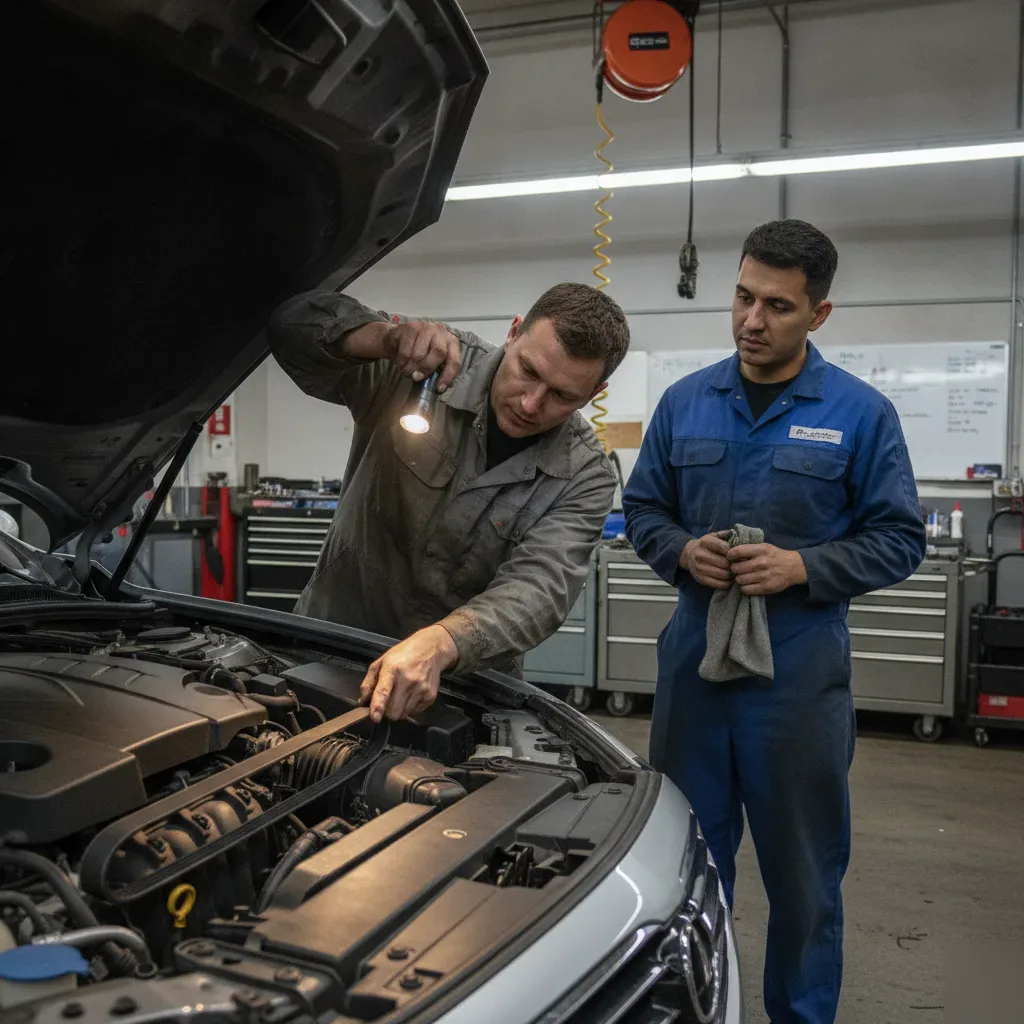
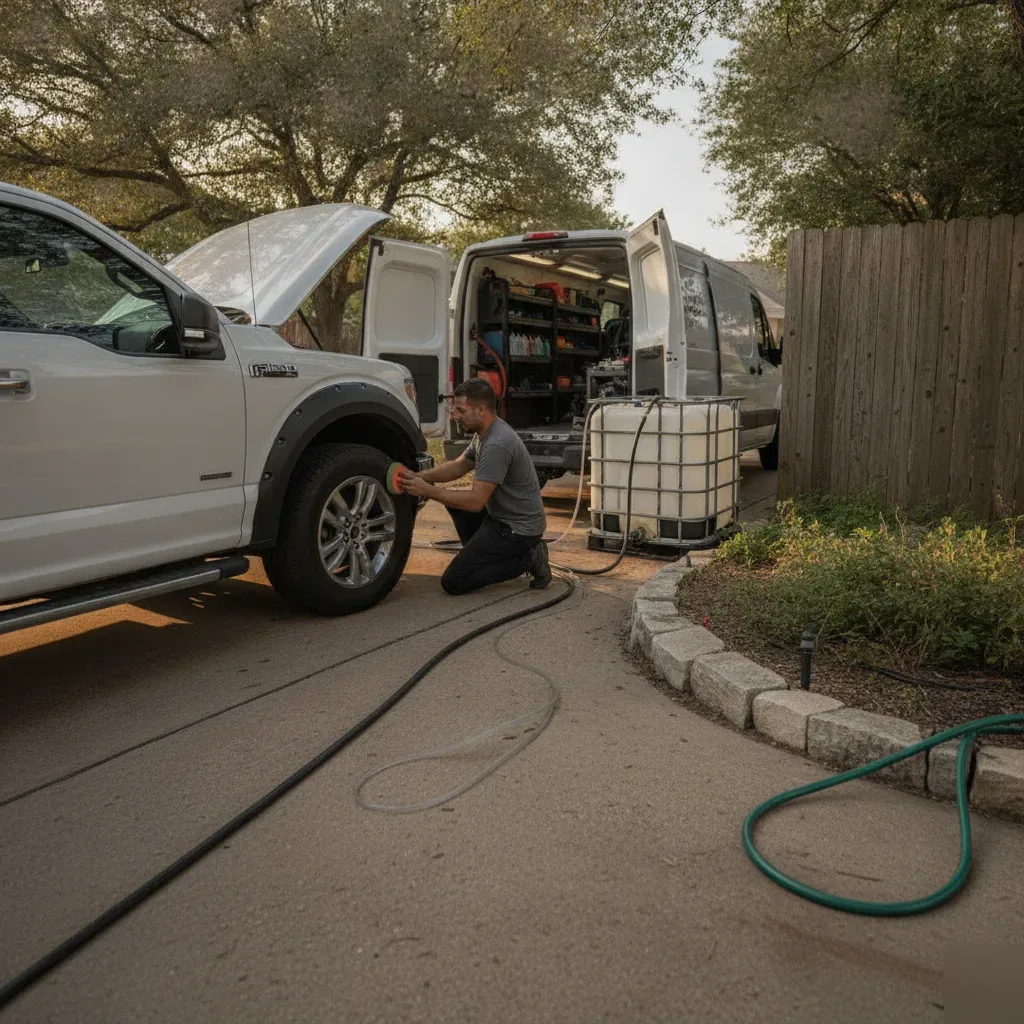
A professional mobile engine detail in Fort Worth follows a controlled sequence designed to protect the vehicle first and clean it second. Before any liquid touches the engine bay, the technician walks through the compartment and identifies vulnerable components. Electrical connectors, the alternator, exposed wiring harnesses, and the air intake opening are covered with waterproof bags, plastic sheeting, or specialized shields. This step matters just as much in a driveway in Arlington Heights as it does at a Sundance Square parking garage, because the risk to sensitive parts has nothing to do with location and everything to do with technique.
Once the bay is shielded, the detailer applies water using a low-pressure method rather than a high-pressure wash wand. This is one of the most important differences between a mobile detail done correctly and the kind of engine rinse someone might attempt at a self-serve car wash. High-pressure blasts can force water past seals and into connectors even when they look covered. A gentler, controlled stream keeps moisture on the surface where it belongs.
With the engine dampened, a degreaser formulated for automotive use is worked into caked-on oil, road film, and dust using brushes and detailing towels. Technicians focus on grease-heavy zones like the valve cover, firewall, and the underside of the hood, working the product into grime rather than simply spraying and walking away. After the degreaser has broken down the buildup, it is rinsed off carefully, again using controlled water flow, and the bay is dried with absorbent towels or low-pressure air to prevent water spots and reduce lingering moisture around plastic components.
- Shielding of electrical connectors, alternator, and air intake before any liquid is applied
- Low-pressure water application to avoid forcing moisture into sensitive areas
- Targeted degreaser work on the valve cover, firewall, and hood underside
- Careful rinse and thorough drying to prevent water spots and residual moisture
- Optional dressing applied to hoses and plastic trim for a refreshed, non-greasy finish
A finishing dressing is sometimes applied to hoses, plastic covers, and trim pieces to restore a clean look without leaving a slick or flammable residue near hot surfaces. This entire process, from shielding to final wipe-down, is built to happen safely no matter where the vehicle happens to be parked, which is exactly the point of choosing a mobile detail over a rushed job at a traditional wash bay.
Call and describe the vehicle. We'll point you to the right service.
Seasonal Grime and Scheduling Around Fort Worth Heat
A fixed shop schedule treats every engine bay the same way regardless of the calendar, but Fort Worth's climate does not cooperate with that kind of rigidity. From June through September, afternoon underhood temperatures can climb well past what is safe to touch, let alone spray down with degreaser. A technician who shows up at 2 p.m. and pops the hood on a vehicle that just finished a highway drive is looking at surface temperatures that can warp plastic shrouds, crack hot spark plug wires, or cause degreaser to flash-dry into a white residue before it ever gets agitated. Mobile scheduling in this market builds in cooldown windows, often recommending early morning or early evening appointments during peak summer months so the block, manifold, and wiring harnesses have dropped to a workable temperature before any cleaning agent touches them.
Heat is only half of the seasonal equation. North Texas cedar fever season, running roughly from December through February, coats engine bays in a fine yellow-green dust that settles into every crevice around the air intake and firewall. As oak trees take over pollen production in the spring, that layer thickens and mixes with road grime to form a sticky film that ordinary dusting will not remove. This buildup is different from the everyday dust that comes off I-30 or the Chisholm Trail Parkway, and it responds differently to cleaning. A technician working in Fort Worth year-round learns to expect this pollen layer and adjusts degreaser dwell time and brush pressure accordingly, rather than applying the same light wipe-down used during drier months.
- Summer appointments are often shifted to morning or evening hours to allow engine components to cool below unsafe touch temperatures
- Cedar and oak pollen season calls for extended degreaser dwell time to break down sticky residue before rinsing
- Vehicles parked under trees or near greenbelts in neighborhoods like Overton Park or Berkeley get extra attention around intake grilles
- Scheduling flexibility means the appointment adapts to the vehicle's condition and the day's weather rather than following a one-size shop template
This adaptive approach is part of why a mobile visit tends to produce better results than a rushed shop slot booked without regard to season. A technician who checks the forecast before confirming an appointment, and who recognizes the difference between routine road film and a heavy pollen coating, is treating the vehicle's actual condition as the guide rather than sticking to a generic checklist.
Engine Detailing Pricing: How the Cost Structure Works
Engine detailing pricing isn't one flat number across the industry, and there's a reason for that. A shop or mobile detailer has to look at the engine bay before they can tell you what it'll take to clean it right.
So what moves the price around? A few things. Grease buildup is the big one. An engine that's never been cleaned takes longer and needs more degreaser than one that gets maintained every few months. We see this constantly, folks call after years of driving with a grimy bay and expect a quick wipe down to fix it.
- How much grease and grime has built up over time
- Whether the engine has exposed wiring or sensitive electrical components that need extra care
- The type of degreasing product needed for the level of buildup
- Drying time and whether steam cleaning is used instead of a straight rinse
- Access, meaning how easy or hard it is to reach certain parts of the bay
Newer engines with plastic covers over most components tend to go faster. Older engines with more exposed parts need a slower, more careful hand. That's not us trying to upsell you, that's just how the work goes.
Before you hire anyone for engine detailing, ask what products they use and whether they're safe around sensors and wiring. Ask how they handle drying. A good detailer won't mind explaining their process. If they brush off the question, that tells you something too.
FAQ
Engine Detailing Questions from Fort Worth Drivers
How often should I get my engine bay detailed in Fort Worth?
Most Fort Worth drivers need an engine detail once or twice a year, but cars parked outside benefit from more frequent visits. Dry summer stretches kick up fine clay dust that clings to any oily surface under the hood, so vehicles without garage coverage build up grime faster. If you notice grease film on hoses or dust packed into every crevice after a dry spell, that's your sign it's time. Watching for those visual cues works better than sticking to a strict calendar.
What should I do to get my car ready for a mobile engine detail?
Just make sure your engine has cooled down and you have a driveway or flat parking spot available. A technician will handle shielding electrical connectors, the alternator, and the air intake before any water touches the bay, so you don't need to prep the engine yourself. Popping the hood beforehand and clearing loose leaves or debris helps speed things along. Beyond that, the crew brings everything needed, from degreaser to low-pressure equipment, right to your location.
Can engine detailing fix a burning smell or strange noise?
No, engine detailing is cosmetic work only and won't fix mechanical issues like knocking sounds or burning smells. It degreases surfaces, cleans the firewall and valve cover, and refreshes plastic trim, but it doesn't open up the engine or diagnose anything internal. If you're seeing blue exhaust smoke, warning lights, or oil dropping between changes, those point to real mechanical problems. A trusted mechanic needs to look at those before any detailer touches the bay.
Is it safe to have my engine bay cleaned with water?
Yes, when it's done with low-pressure water and proper shielding beforehand, cleaning your engine bay is safe for the electronics underneath. High-pressure blasts, like what you'd get at a self-serve car wash, can force moisture past seals and into connectors even when they look protected. A careful mobile detail covers vulnerable components first, then uses a gentle, controlled stream to keep water on the surface. That difference in technique is what protects your alternator and wiring harness during the wash.
Why does my engine bay get so dusty living in Fort Worth?
Fort Worth's dry summer stretches and clay soil create fine dust that clings to any oily surface under your hood, so buildup happens faster here than in wetter climates. Cars parked near I-35 construction zones pick up extra road grime on top of that seasonal dust. Vehicles that sit outside rather than in a garage collect grease, pollen, and dried leaves around the intake and firewall even quicker. That combination is why so many Fort Worth engine bays look overdue for attention by fall.
Do I really need a professional, or can I clean the engine bay myself?
You don't always need a professional if you're only dealing with light surface dust on the plastic engine cover or fender liners. A dry microfiber cloth handles that kind of light buildup just fine on your own. Save the professional detail for genuine grease residue, oil film, or grime that's been baked on by Texas heat over months or years. Once corrosion shows up around the battery terminals or grease coats the hoses, that's past what a cloth alone can fix safely.
More Services
Other Detailing Services in Fort Worth
- Auto Interior Vacuuming in Fort WorthView service
- Car Waxing in Fort WorthView service
- Clay Bar Treatment in Fort WorthView service
- Full Body Wash in Fort WorthView service
- Headlight Polishing in Fort WorthView service
- Pet Hair Removal in Fort WorthView service
- Seat Shampooing in Fort WorthView service
- Steam Cleaning in Fort WorthView service
- Wheel Washing in Fort WorthView service
READY TO BOOK?
Ready to Book Car Detailing in Fort Worth?
Tell us where the vehicle is and when it's available. We'll come to you.
East of Fort Worth? We also serve car detailing in Irving.
Prefer speaking with our team directly?
Calendar not loading? Open the booking page or call (469) 966-8750.